

Overview
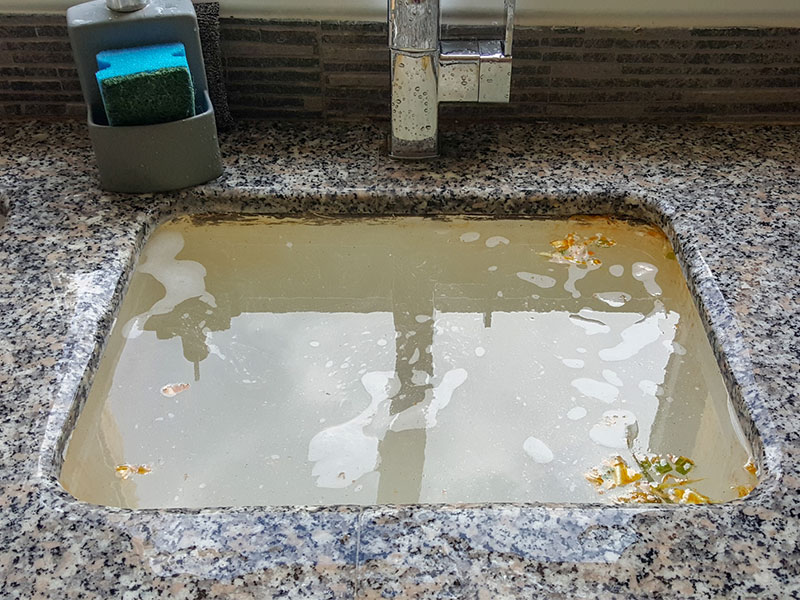
Do you have drains that take forever to empty after you shower or wash your hands? Put the store-bought cleaner away for now and read this blog post before attempting another quick fix. Hoosier Drain Guys has extensive experience removing stubborn blockages, and we know that recurring clogs can have causes that ordinary at-home solutions fail to address. Below, we explain why these problems keep returning and the professional drain unclogging methods that can help resolve them for good. We also cover a few quick prevention tips that help keep your drains cleaner for longer.
Highlights
Introduction
So many homeowners lose time in their day and money in their pockets dealing with something as seemingly minor as a clogged drain, especially when the same blockage keeps coming back after every frustrating attempt to clear it. Blaming the drain cleaner or reaching for another quick fix isn’t going to solve the problem if you don’t understand what’s causing the blockage to return in the first place.
For your part, developing better habits around what goes down your drains can help prevent future clogs, but knowing when to call in the professionals is just as important for avoiding repeated expenses and unnecessary damage to your system.
What Can Cause a Drain Clog To Return So Quickly?
Let’s say you clear a clogged drain and watch the water finally disappear as it should. You now assume the problem is behind you. Then, a few days or weeks later, the water starts pooling again. You learn that the improvement was temporary, though the drain appeared to be completely back to normal.
So, what really happened?
The problem is that restoring water flow doesn’t always mean the obstruction has been completely removed. Sometimes, clearing enough space for water to pass through only provides temporary relief. Until the condition responsible for the repeated blockage is addressed, the same drain will continue to smell, gurgle, add minutes to your daily routine, and possibly start backing up.
Do the Causes of Drain Clogs Matter?
When a drain keeps clogging, frustration can lead you to throw every available solution at the problem. But what problem are you actually trying to solve? Drain blockages have different origins, and a cleaning method that works for one may accomplish very little against another. You could end up treating something entirely unrelated to the obstruction or even damaging your pipes in the process.
Understanding what’s causing the clog is the first step toward choosing a solution that actually works.
Blockages Forming Deeper in the Drain Line
The farther a blockage forms inside your plumbing, the harder it can be to reach. Water and everything carried along with it travel from your fixture through a series of connected pipes before reaching the main sewer line. Grease is a good example. When it gets washed down the sink, it might pass through the drain opening and trap beneath the sink, only to cool and accumulate farther along the pipe.
Once a clog forms beyond the reach of ordinary cleaning tools, clearing the drain opening won’t do much good. Water may still drain slowly because the obstruction is restricting flow farther downstream.
Pipe Damage That Traps Debris
One often overlooked reason for recurring drain clogs is damage to the pipe. Even after a blockage has been removed, the condition of the pipe may allow another one to form.
Sometimes, the damage existed before the drain started clogging. Older pipes can develop cracks or misaligned joints that catch debris as wastewater passes through. Material then collects around these irregularities until the pipe becomes obstructed again.
There’s also the possibility that previous attempts to clear the clog have damaged the pipe. Excessive force or inappropriate cleaning methods can both contribute, but in either case, repeated cleaning won’t correct the damaged section. A camera inspection can help locate the problem and determine if pipe repair or replacement is necessary.
Tree Root Intrusion in Sewer Lines
Tree root tips sense sources of moisture, and underground pipes with tiny cracks or pinholes are the perfect places for them to find it. Once inside, the roots continue growing and catching waste. They can also widen existing openings and allow more of the root system to enter, eventually forming a dense obstruction that prevents wastewater from flowing freely.
There are two problems to address: the openings and the roots themselves. Plumbers can use specialized equipment to cut away the roots and clear the blockage, but that alone won’t prevent them from growing back. If the pipe is cracked or its joints have separated, the damaged sections may need to be repaired or replaced. Roots can take several months to years to grow into a sewer pipe and create a substantial blockage, which is why you’ll often notice signs before the problem is that severe.
Hair and Other Debris
Hair is one of the most familiar causes of clogged bathroom drains, and it’s difficult to avoid entirely. After all, showering and washing your hair are part of everyday life, and some loose strands will inevitably make their way toward the drain.
The trouble begins when those loose strands catch on the drain stopper or rough surfaces inside the pipe. As more hair collects, soap residue helps bind it into a tangled mass that gradually restricts water flow. Pulling out the hair near the drain opening may restore drainage temporarily, but material caught farther inside the pipe can continue collecting until another clog forms.
Grease and Soap Buildup
It’s common knowledge that grease and water don’t mix, but you don’t have to pour cooking oil directly into your sink for grease buildup to become a problem. Even small amounts left on dishes can accumulate over time.
As grease cools, it can cling to the inside of drainpipes, forming a sticky layer that traps food particles. Soap can contribute to a similar problem when its fatty ingredients react with minerals in hard water, leaving behind a stubborn residue known as soap scum. These deposits narrow the passage through the pipe, making it easier for new clogs to form even after an earlier blockage has been cleared.
Can Drain Snaking Remove a Clog Permanently?
Drain snaking is a common method plumbers use to clear blockages inside drainpipes. They feed a flexible metal cable into the pipe until its cutting or grabbing attachment reaches the obstruction. The cable rotates to break apart the clog or pull out the material causing it. This method is particularly useful for removing hair and other debris that other readily available tools most likely can’t reach.
Drain snaking can permanently resolve a clog if the obstruction is fully removed and there’s no underlying pipe problem. It must be noted, however, that the cable may only create an opening through thick grease buildup rather than remove the deposits coating the pipe walls. Water will flow again, but those remaining deposits can still collect more debris. In these cases, a more thorough cleaning approach is necessary to prevent the blockage from returning.
When Is Hydro Jetting Better Than Drain Snaking?
Hydro jetting is considered one of the most thorough methods of cleaning drainpipes. It’s safe for modern pipes, eco-friendly (without chemicals), and an excellent tool for stubborn buildup.
The process involves inserting a specialized hose into the drain line and releasing highly pressurized water through a nozzle. Jets of water scour the interior walls of the pipe, breaking up deposits and washing loosened material downstream. Unlike a drain snake, which primarily works on the obstruction directly in its path, hydro jetting can clean a much larger portion of the pipe’s interior.
This method is often the better choice when recurring clogs are caused by grease or other deposits coating the pipe walls, when it’s deemed appropriate for the plumbing system. That’s why a professional should evaluate the pipe’s condition before recommending it. When it makes sense, removing that buildup leaves fewer places for debris to collect and form another blockage.
What Are Quick Tips To Keep Your Drains Clear?
While some drain clogs develop because of problems hidden inside your plumbing, others result from everyday household habits. Sometimes, you’ll just need to call your local plumber, but there’s a lot you can do to make those calls infrequent and keep your drains flowing properly between professional cleanings. Saving money is all the more reason to make a few small changes.
Here are a few quick tips to keep your drains clear:
- Use drain strainers to catch hair and food scraps before they enter your pipes
- Wipe grease and cooking oil from pans before washing them
- Throw coffee grounds and food scraps in the trash instead of the sink
- Clean drain stoppers regularly to remove trapped hair and soap residue
- Avoid chemical drain cleaners, which can damage certain pipes
- Address slow drainage early instead of waiting for a complete blockage
Clear Stubborn Drain Blockages With Professional Service
Don’t let another clogged drain take more money out of your pocket than necessary.
Hoosier Drain Guys helps homeowners get to the source of recurring drain blockages instead of settling for another temporary fix. If your drains keep giving you trouble despite repeated cleaning attempts, contact our team at (765) 744-3822 to address the problem and keep your plumbing working as it should.