

Overview
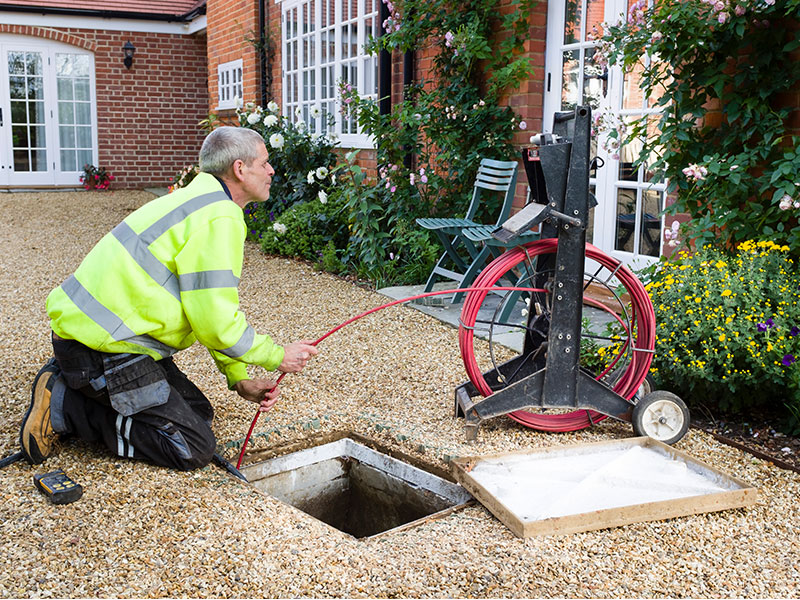
A sewer camera inspection can reveal standing water inside a drain or sewer pipe, raising questions about possible damage or drainage problems. In this blog post, Hoosier Drain Guys’s experts explain what standing water can indicate, how to identify potential causes, and when further action may be needed.
Highlights
- Understanding standing water
- Normal sewer water levels
- Sagging sewer pipes
- Partial sewer blockages
- Improper drainage slope
- When repairs are necessary
Introduction
Imagine you’ve just received footage from a drain camera inspection, and something catches your attention: water sitting inside the sewer pipe. Does this mean your sewer line is blocked, damaged, or headed for an expensive replacement?
Sewer cameras can reveal drainage conditions that aren’t obvious when your toilets and sinks seem to work normally. However, seeing water inside a pipe doesn’t automatically mean something is wrong.
The important question is why the water remains and whether it’s preventing wastewater from flowing properly. Temporary water accumulation may be harmless, while persistent standing water can indicate a blockage, sagging pipe, or drainage slope problem.
Understanding the difference helps determine whether cleaning, repairs, or further investigation is necessary. Let’s examine what standing water on a sewer camera actually means, what causes it, and when it requires attention.
What Is Standing Water and What Does It Indicate?
Standing water in a sewer camera inspection means wastewater has collected in a section of pipe instead of draining away completely. While some water is normal, excessive or persistent water can indicate potential issues with your plumbing system. The location, depth, and persistence of the water help determine whether there’s a problem.
Most sewer lines rely on gravity to carry wastewater toward a municipal sewer system or septic tank. When pipes have the proper downward slope, wastewater should flow through without consistently pooling in ordinary sections of the line.
A sewer camera can reveal where water accumulates, but the footage alone doesn’t always explain why it’s happening. To identify the cause, a plumber may need to examine the pipe’s location, observe how water flows through it, and perform additional measurements to confirm its alignment.
When Is Standing Water in a Sewer Pipe Normal?
Not all water visible during a sewer camera inspection indicates a plumbing problem. Depending on when and where the inspection takes place, some water may be expected.
Water During or Immediately After Drainage
When you flush a toilet, run a sink, or use another plumbing fixture, wastewater temporarily fills part of the sewer line as it travels toward the main sewer or septic system.
Small amounts of water may also remain briefly after a fixture stops draining. For this reason, plumbers often wait for the flow to subside before evaluating whether water is collecting abnormally.
Temporary water movement is generally less concerning than a pool that consistently remains in the same section of pipe.
Water in Plumbing Traps and Other Expected Locations
Plumbing traps, including P-traps beneath sinks, intentionally retain water to prevent sewer gases from entering your home. These are separate from the main sewer line, where wastewater should generally flow freely.
Water may also appear in certain fittings or downstream connections without indicating damage.
However, persistent pooling in a horizontal sewer line warrants further investigation, even if your plumbing appears to function normally.
How Do Sagging Sewer Pipes Cause Standing Water?
Sagging sewer pipes create low points where wastewater collects instead of flowing freely toward the sewer system. Over time, these areas can trap debris and increase the risk of recurring blockages.
What Is a Sewer Pipe Belly?
A sewer pipe belly is a section of pipe that has settled below its intended alignment, creating a depression in the sewer line.
When wastewater enters this low point, it must rise to reach the downstream section of pipe. Some water remains trapped, allowing solids and debris to settle rather than wash away. As buildup increases, the pipe becomes more susceptible to blockages and backups.
What Causes a Sewer Line To Sag?
Several conditions can cause a sewer pipe to lose its original alignment, including:
- Soil settlement beneath the pipe
- Inadequate support during installation
- Ground movement or erosion
- Heavy surface loads or disturbed soil
- Deteriorating joints or structural damage
How Does a Pipe Belly Appear on Camera?
During an inspection, the camera may enter progressively deeper water, become partially or fully submerged, and emerge as the pipe rises again.
This pattern can suggest a belly, but additional measurements may be needed to confirm the pipe’s elevation.
A shallow belly doesn’t always require replacement. Repair decisions depend on the severity of pooling, recurring blockages, and the pipe’s structural condition.
Can a Partial Blockage Cause Standing Water?
A partial sewer blockage can cause standing water by restricting wastewater flow without completely stopping it. Water may accumulate behind the obstruction, especially when several plumbing fixtures are used simultaneously.
How Partial Obstructions Restrict Drainage
Partial blockages reduce the amount of wastewater a sewer pipe can carry at once. Common causes include:
- Grease and accumulated debris
- Tree roots growing into the pipe
- Foreign objects lodged in the line
- Mineral deposits or scale buildup
- Debris caught on damaged or misaligned pipe joints
As wastewater encounters the restriction, it may back up faster than it can drain. This can cause temporary or persistent pooling upstream of the blockage.
How Does a Blockage Appear on Camera?
During a sewer camera inspection, a plumber may see grease buildup, roots, debris, or another obstruction narrowing the pipe.
Water may appear deeper on the upstream side of the restriction, then return to a lower level beyond it. However, heavy pooling can obscure the obstruction until the line is cleaned.
Removing the blockage and inspecting the pipe again can help distinguish an obstruction from a structural problem. If standing water disappears after cleaning, the blockage was likely responsible. Persistent pooling may indicate a pipe belly, improper slope, or another drainage issue.
How Does Poor Pipe Slope Affect Sewer Drainage?
Improper sewer pipe slope can prevent wastewater from flowing efficiently, allowing water and debris to accumulate. Unlike a localized pipe belly, drainage problems caused by incorrect slope may affect a longer section of the sewer line.
Why Sewer Pipes Need Proper Slope
Pipe slope refers to the gradual downward pitch that allows wastewater to travel through a sewer line using gravity.
When the slope is too shallow, wastewater may move too slowly to carry solids effectively, increasing the risk of buildup and blockages. A reverse slope, where the pipe rises in the direction of flow, can cause water to collect persistently.
Proper slope requirements depend on pipe diameter, system design, and local plumbing codes. For example, some 4-inch building drains require a minimum slope of 1/8 inch per foot, where permitted by code.
How Does Poor Slope Appear on Camera?
A sewer camera may reveal slow-moving wastewater, sediment buildup, or water collecting along an extended section of pipe.
However, camera footage alone generally cannot measure pipe slope accurately. Plumbers may need additional elevation measurements or surveying to confirm whether the line has insufficient or reverse slope before recommending repairs.
When Does Standing Water Require Sewer Line Repair?
Standing water may require sewer line repair when it results from a persistent pipe belly, reverse slope, structural damage, or recurring obstruction that cleaning can’t resolve. Minor pooling without drainage problems or pipe deterioration may only require monitoring.
When Cleaning or Monitoring May Be Enough
Extensive repairs aren’t always necessary when the sewer pipe remains structurally sound and wastewater can drain properly.
For example, professional sewer cleaning may restore normal flow if grease, roots, or debris are causing water to accumulate. Minor pooling may also be monitored if it isn’t contributing to recurring blockages or backups.
However, monitoring should be based on the pipe’s condition and professional inspection findings. Follow-up inspections can help determine whether the problem is worsening, even when there are no noticeable drainage symptoms.
When Pipe Repair or Replacement May Be Necessary
Structural repairs may be recommended when:
- A pronounced pipe belly repeatedly traps wastewater and debris
- A reverse slope prevents proper gravity drainage
- Damaged joints or other defects cause recurring restrictions
- Sewer backups continue despite professional cleaning
- Cracks, collapsed sections, or separated joints compromise the pipe
Depending on the damage, repairs may involve excavating and replacing the affected section, correcting its bedding and slope, or replacing a larger portion of the sewer line.
Although pipe lining can address certain structural defects, it generally can’t correct a belly or improper slope. Restoring proper drainage typically requires repositioning or replacing the affected pipe.
Understand Your Sewer Camera Results Before Choosing Repairs
Standing water on sewer camera footage is an observation, not a complete diagnosis. Temporary water accumulation may be harmless, while pipe bellies, partial blockages, and improper slope can interfere with drainage in different ways.
The right solution depends on what’s causing the water to collect, how severely it restricts flow, and the pipe’s overall condition. Some problems require cleaning, while others may call for sewer line repair or replacement.
If you’re concerned about standing water in your sewer line, contact Hoosier Drain Guys at (765) 744-3822 to schedule a drain camera inspection or discuss sewer line repairs.