

Overview
Hoosier Drain Guys has years of experience with well pump systems in the state of Indiana. Pumps that work but can’t keep up with water demand, devices that constantly wear out, and older wells with difficult equipment to replace are just a handful of the problems we’ve encountered and resolved for homeowners who depend on their wells for everyday water. In this blog post, we’ve gathered some of our on-the-job insights to help you recognize when your well pump needs attention and understand what it might take to get your water flowing again.
Highlights
Introduction
Your well pump is what makes running water available throughout your house. If your equipment fails without warning, you could find yourself unable to shower, flush toilets, wash dishes, or do laundry until the problem is resolved. Still, some problems develop gradually, giving you an opportunity to recognize warning signs before the system stops working completely.
In any case, you need to know when to act, even when you need professional well pump services to diagnose and address the problem. One day, it could end up being the difference between a manageable repair and an emergency with a much higher price tag.
How Does a Well Pump System Work?
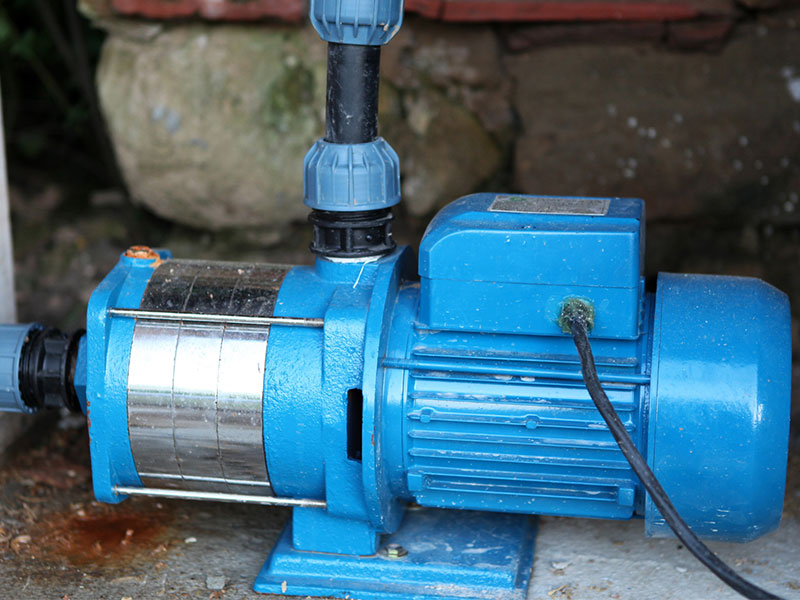
Your well pump draws groundwater from a private well and moves it through a supply line into your home’s plumbing system. Depending on the depth of the water, the pump may sit above the ground and pull water upward or operate underwater and push it toward your house. Once the water reaches your plumbing system, it’s available for use through your faucets and fixtures.
The pump works alongside a pressure tank and pressure switch to keep water flowing and responsive when you need it. As the name implies, the pressure tank stores water under pressure, allowing you to use water without the pump running continuously. As you use water, the pressure drops until the switch activates the pump. The pump then refills the tank and restores pressure before shutting off again.
There are several important steps in this process. Problems can come up in different ways, depending on which part of the system is malfunctioning and the type of device you use.
What Are the Types of Well Water Systems?
There are several types of well pumps designed to draw water from different depths and meet varying household water demands. The type used in your well system depends largely on the location of the water supply and how much water your property needs.
These include:
- Shallow well pumps: Installed above ground, these pumps draw water from wells with water levels up to approximately 25 feet below the pump. They’re generally easier to access for maintenance and repairs.
- Convertible jet pumps: These pumps can be configured for shallow or deep wells, making them suitable for different water depths. Deep-well configurations can draw water from depths of around 100 feet, depending on the system.
- Deep well submersible pumps: Installed underwater inside the well, these pumps push water to the surface rather than pulling it from above. They’re commonly used in deeper wells and can operate at depths of several hundred feet.
- Utility and specialty pumps: These pumps serve specific purposes, such as supplying irrigation systems or transferring water between locations. Some models use solar power for properties with limited access to electricity.
How Do You Catch a Failing Well Pump?
There’s little doubt of a failing well pump when you turn on a faucet, and no water comes out, but the warning signs aren’t always so obvious. Some problems develop gradually or only become noticeable under certain conditions. It’s important to recognize changes in how your well system operates before a complete failure occurs.
The following will give you a solid grasp of a few of the basic signs.
Low Water Pressure Throughout Your Home
With low water pressure, you likely won’t be able to avoid the problem by running another sink or bathroom. All faucets receive water from the same well pump and pressure tank
It’s common for a physically worn well pump to no longer move enough water to maintain the pressure your household needs. Internal components, such as the impellers that move water through the pump, may deteriorate and reduce its pumping capacity. If testing confirms that the pump is responsible, a technician may be able to repair the damaged components or recommend replacing the pump if the wear is too extensive.
No Water Coming From Your Faucets
You turn the tap and watch two or three thick droplets fall into the basin. You try the kitchen faucet next, but nothing comes out there either. You suddenly realize you have no running water to drink or prepare meals, and keeping up with household chores is now the least of your concerns.
If you have no water supply, it’s an emergency. This can occur when the well pump motor burns out, leaving it unable to draw water into your home. However, the pump may still be functional if a faulty pressure switch or electrical connection is preventing it from turning on. Once the water stored in the pressure tank runs out, your faucets will run dry.
A proper test is needed to pinpoint the failure. A damaged pressure switch or wiring connection may only need repair, while a burned-out motor could require replacing the pump entirely.
Well Pump Constantly Running Without Shutting Off
Your well pump should shut off once the pressure tank reaches its designated pressure. If you hear the pump running long after you’ve finished using water, something may be preventing it from completing that cycle. You might even notice it running through the night when nobody in the house is using a faucet. This should set off alarm bells.
Again, a worn pump may struggle to build enough pressure to trigger the shutoff switch, forcing the motor to keep working without a break. A leak in the water line can produce a similar problem by allowing pressure to escape faster than the pump can restore it. When this happens, you’ll need a professional to measure the pump’s output and check for leaks to identify the cause. Repairing the leaking line may solve the problem, but a pump that can’t maintain pressure may need replacement.
Well Pump Frequently Turning On and Off
With a pump that frequently turns on and off, you might hear it start, shut down after a few seconds, and start again almost immediately. This pattern, known as short cycling, can occur even when you’re using very little water. Each unnecessary restart puts additional strain on the pump motor.
The problem often originates in the pressure tank rather than the pump itself. If the tank loses its air charge or its internal bladder ruptures, it can no longer maintain a stable reserve of pressurized water. The resulting pressure fluctuations cause the pump to switch on repeatedly. It may be possible to restore the tank’s air charge, but a ruptured bladder generally means replacing the tank.
Sputtering Faucets and Air in Your Water Lines
Instead of a steady stream, imagine your faucet releases water in uneven bursts, sometimes accompanied by a hissing sound or sudden splashes. This sputtering happens when air enters the water lines and interrupts the flow. You may notice it when you first turn on a faucet. When sputtering happens repeatedly throughout the house, it can raise concerns with your well system.
Air can enter the system when the well’s water level drops too low, and the pump begins drawing in air along with water. A damaged suction line in an aboveground pump system can also allow air to enter.
When this happens, the options are:
- Repairing damaged suction lines or loose connections
- Lowering the pump intake to reach the water
- Replacing a damaged or worn-out pump
- Adjusting pump operation to accommodate low well water levels
Noises From Your Well Pump
Your well pump has moving parts, so some noise during operation is normal. However, unfamiliar sounds or a noticeable change in how the pump runs may be an early warning of trouble.
How much you can hear depends on the type of pump and where it’s installed. Aboveground pumps typically produce an audible hum, while submersible pumps operate deep inside the well and are usually difficult to hear. Grinding noises may indicate worn bearings, while a louder-than-usual hum could suggest that the motor is struggling. These sounds don’t necessarily confirm that your pump is failing, but they warrant a deeper inspection.
How Long Do Well Pumps Typically Last?
Well pumps can provide reliable service for many years (up to 20 years or even more), but their lifespan varies depending on the type of pump installed and the conditions it operates under. Age isn’t an automatic sign that you need to replace the equipment.
The main factors include:
- Water quality and sediment levels
- Frequency of pump operation
- Proper pump sizing
- Pressure tank condition
- Quality of installation
- Routine maintenance
Get Reliable Water With Professional Well Pump Service
Have you noticed any of the warning signs discussed above? Don’t wait until your well pump stops working altogether. Hoosier Drain Guys provides professional well pump service to identify the source of the problem and make the necessary repairs or replacements.
Call (765) 744-3822 to restore dependable running water to your home.